Koppert Cress's climate goals validated by SBTi
Clear steps toward Net-Zero
Ecological

From climate-positive to structural reduction
Sustainability requires more than just ambition. That is why Koppert Cress had its climate targets validated by the Science Based Targets initiative (SBTi). This independent organization assesses whether climate targets are aligned with the latest climate science and contribute to limiting global warming.
With this validation, the SBTi confirms that Koppert Cress’s climate targets are specific, measurable, and aligned with international climate goals.
Koppert Cress previously announced its commitment to becoming climate-positive by 2026. In doing so, we are already taking responsibility for our climate impact today. At the same time, reducing emissions within our own operations and throughout the value chain remains our top priority.
The validated targets provide direction for this approach and clarify which reductions we aim to achieve and within what timeframe.
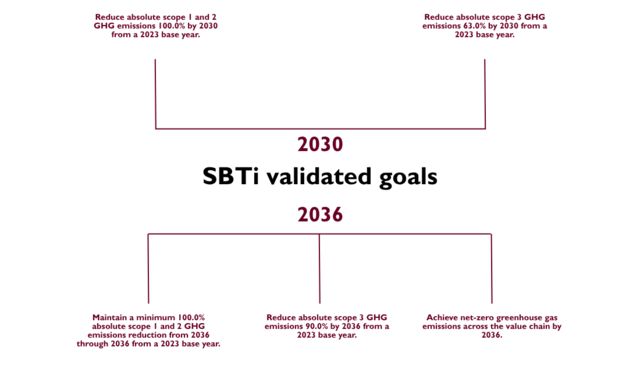
Climate goals by the numbers
The SBTi-validated targets to which Koppert Cress is committed:
- 100% reduction in Scope 1 and 2 emissions by 2030 compared to the 2023 baseline year.
- 63% reduction in Scope 3 emissions by 2030 compared to the 2023 baseline year.
- 90% reduction in Scope 3 emissions by 2036 compared to the 2023 baseline year.
- Maintenance of the full reduction in Scope 1 and 2 emissions by 2036.
- Net-zero greenhouse gas emissions across the entire value chain by 2036.
Scope 1 and 2 emissions include those from our own operations and energy consumption.
Scope 3 emissions cover emissions in the rest of the supply chain, such as purchased materials, transportation, and supplier activities.
What does net-zero mean?
Net-zero means that an organization first reduces its emissions as much as possible. Only once these reductions have been achieved may a limited amount of remaining emissions be offset through the sustainable removal of CO₂ from the atmosphere.
For Koppert Cress, this means that Scope 1 and 2 emissions will be completely eliminated and that emissions in the value chain will be reduced by at least 90% compared to 2023.
Working together to build a sustainable supply chain
A large portion of our climate impact originates outside our own organization. That is why collaboration with suppliers, logistics partners, customers, and other supply chain partners is essential.
Through SBTi validation, we make our climate ambitions transparent and verifiable. In this way, we provide chefs, produce distributors, and other partners with insight into the steps we are taking toward a future-proof and climate-neutral food supply chain.
“In the new economy, business performance is defined by the combination of healthy growth and ecological recovery,” says Stijn Baan, director of Koppert Cress.
Sustainability Stories
Intro
Powerful stories that capture the essence of nature: sustainability at every level and in every aspect.
-
Ecological
Product Carbon Footprint: an insight into the emissions from a box of Cress
Product Carbon Footprint: insight into the emissions from a box of Cress
At Koppert Cress, we work every day to reduce our impact on the climate and the environment. Insight is essential if we are to make targeted improvements. That is why we have been calculating our Corporate Carbon Footprint (CCF) for many years: the total emissions of our organisation.
However, as not every product has the same impact, we wanted to be able to manage this even more precisely. That is why we have also developed a Product Carbon Footprint (PCF) for our products. This involves mapping the total greenhouse gas emissions throughout a product’s entire life cycle: from the seed right through to the waste disposal of the packaging (or ‘cradle-to-grave’).
-
Ecological
Koppert Cress's climate goals validated by SBTi
Sustainability requires more than just ambition. That is why Koppert Cress had its climate targets validated by the Science Based Targets initiative (SBTi). This independent organization assesses whether climate targets are aligned with the latest climate science and contribute to limiting global warming. With this validation, the SBTi confirms that Koppert Cress’s climate targets are specific, measurable, and aligned with international climate goals.
-
Social
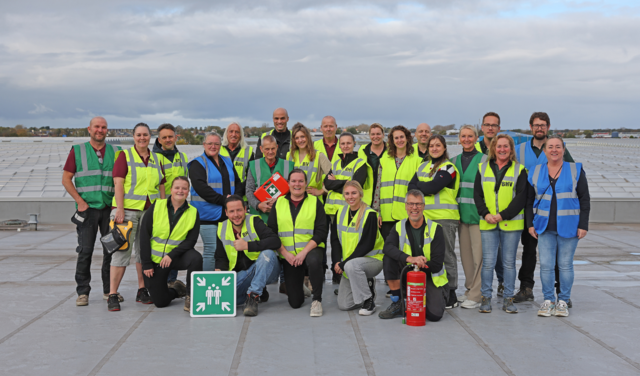
Working Together in an Inclusive Organisation
Why is building trust so important to us? Trust shows someone that we believe in their abilities, intentions and dedication to contribute to a shared goal.
-
Social
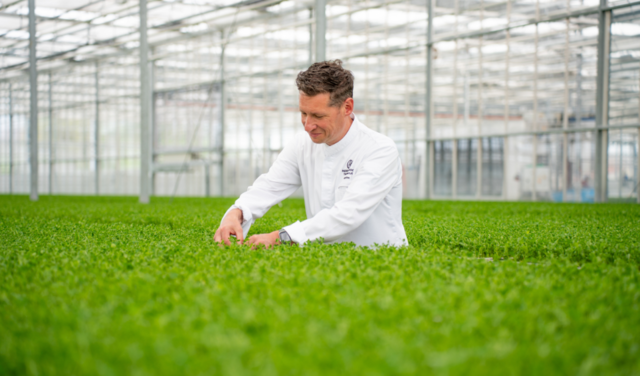
Learning to Change: Connecting Healthy Food, Education and Gastronomy
Koppert Cress and Hotelschool The Hague demonstrate how education, gastronomy and horticulture can strengthen one another. With storytelling as a connecting force, they bring the origin, value and experience of food to life — inspiring the next generation to contribute to a healthier food future.